
A supermarket fridge hack story shows automation’s liability gap
If a refrigeration exploit can turn into fires and losses, embodied systems need safety controls before scale.
 Magnus EbbesenEnterprise adoption and technology policy

A reported exploit against supermarket refrigeration is being used as a warning that physical automation can create liability faster than standards. The account links outdated, internet-exposed controllers to fires and millions in losses, but the technical chain is thin. Robotics work on real-world fine-tuning and simulation shows how far control systems still are from reliable physical deployment.
The account is precise and dramatic: 700 supermarkets, not one store, millions in losses rather than a routine cleanup bill, and fires started through a refrigeration hack. It is also, at this stage, an account rather than a forensic record. The useful signal is not whether every detail survives scrutiny, but what it reveals about how embodied automation is being bought, insured and regulated.
The sequence described is simple. Outdated devices were exposed to the internet. Poor security allowed an exploit. The exploit reached refrigeration controllers. The result was physical damage, not just data loss.
That last step is the hard one. Software manipulation of a controller can cause overheating, compressor stress or safety interlocks to fail, but combustion is an exceptional outcome. It requires a path from code to heat, fuel, ignition and sustained fire. Without documentation of thermal runaway, electrical fault or disabled protections, the fire allegation remains severe but not yet an engineering conclusion.
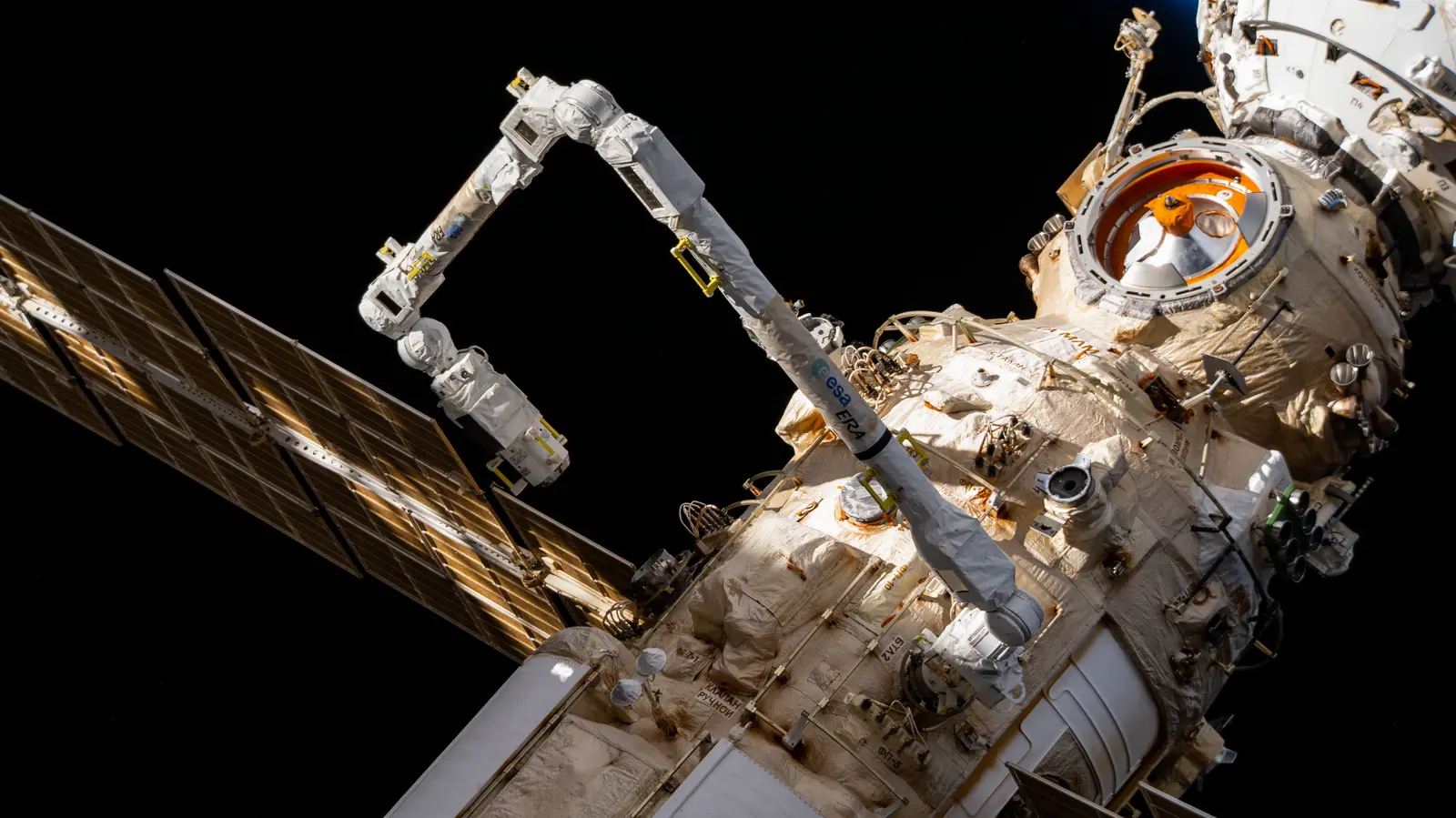
The loss signal is physical
For enterprise operators, the important shift is the category of loss. A compromised server usually produces cleanup costs and downtime. A compromised fridge, robot arm or conveyor can produce spoiled stock, closed stores, equipment replacement and liability for injury. The supermarket example, if accurate, turns cybersecurity into property and casualty language.
The gap between simulated competence and deployed safety is where liability accumulates.
That changes who pays. Insurers, landlords, franchisors and procurement teams all enter the chain. A controller that costs little to replace can become expensive once it is tied to fire, store disruption or injury. The device itself may be outdated; the balance sheet it touches is modern.
Simulation is not the street
The robotics material in the same account is less sensational but equally telling. Real-world fine-tuning of mobile manipulation remains a formidable challenge. In other words, systems that look competent in controlled demonstrations still struggle when objects, lighting, people and clutter vary.
3D object composition is pivotal to robot simulation because a robot must understand how parts fit, move and collide. Simulation can generate many variations cheaply, but it cannot by itself certify that a machine will not knock over a shelf, trap a hand or misjudge a glass door. The gap between simulated competence and deployed safety is where liability accumulates.
This is why the fridge story resonates even with missing detail. It sits beside a broader pattern: connected physical systems are being deployed before their control standards, failure tests and insurance models mature. The exploit may be an outlier. The architecture it describes — old devices, internet exposure, weak security and physical consequences — is not.
Standards have not caught up
Mature industrial systems usually have layers: isolation, monitoring, emergency stops, certified firmware, maintenance contracts and incident forensics. The description points to the absence of those layers, not their presence. Outdated devices exposed to the internet are not a novel problem, but placing them in stores, warehouses and kitchens gives a software fault a physical address.
Regulators tend to follow losses. Once connected equipment causes repeated damage, rules harden around certification, update obligations, segmentation and disclosure. For builders, that means safety becomes a procurement requirement, not a feature slide. For investors, it means the cost of scaling embodied automation may include more testing, more redundancy and slower rollouts.
The open question is whether the supermarket case will produce a verified causal chain. If it does, it will become a benchmark for how cyber-physical risk is priced. If it does not, it still leaves a useful warning: the market will not wait for perfect evidence before treating weak safety stacks as loss signals.
- 01A reported fridge hack is said to have affected 700 supermarkets.
- 02The account links outdated, internet-exposed devices to poor security.
- 03The same account says the exploit cost millions and sparked fires.
- 04Robotics material describes real-world mobile manipulation as a formidable challenge.
- 053D object composition is described as pivotal to robot simulation.
Interpretation, not reporting. The facts above carry their tiers; this is one correspondent’s reading of them.
The fridge story matters less as a confirmed incident than as a pricing problem. If the account is even directionally right, outdated, internet-exposed devices and poor security can turn a software exploit into physical fires and millions in losses. That moves automation from an operating question to a liability question. I would separate the dramatic parts from the structural ones. The fire allegation needs forensic proof. The exposed-device point is mundane and therefore more important. The robotics material reinforces the same point: real-world mobile manipulation remains formidable, and 3D object composition is pivotal to simulation, but simulation does not remove physical risk. What would change my mind is documentation showing exactly how manipulation produced combustion. Until then, I would treat the numbers as a warning about weak safety stacks, not proof of cyber-arson at scale. The market is likely to apply the same test, with less patience.
— Magnus Ebbesen
Every claim in this article, and what it rests on
We do not ask you to take our word for it. Each statement below carries its tier and its sources. Where sources disagree, you get both accounts and what would settle it.
Real-world fine-tuning of mobile manipulation remains a formidable challenge.
3D object composition is pivotal to robot simulation.
A fridge hack hit 700 supermarkets.
The fridge hack exploited outdated devices.
The exploited devices were exposed to the Internet.
The fridge hack stemmed from poor security.
The fridge hack cost millions.
The fridge hack sparked fires.
The case against this story
Written by an adversarial reviewer, not the correspondent
The story's overall picture chains a series of increasingly dramatic assertions about a refrigerator hack — 700 supermarkets hit, millions in losses, actual fires — without presenting forensic evidence for the most extraordinary links. The causal leap from software exploitation of refrigeration controllers to physical combustion is not impossible but is exceptional and demands specific technical documentation showing how manipulation produced thermal runaway or similar failure. None is provided. The financial and scope figures are precise enough to require official confirmation yet receive none. Meanwhile, the inclusion of generic robotics research claims ('real-world fine-tuning of mobile manipulation remains a formidable challenge' and '3D object composition is pivotal to robot simulation') alongside the fridge-hack narrative creates an impression of systemic technological breakdown that the individual claims do not collectively support. A reader is left with a catastrophe story — cyber-arson across hundreds of stores — built on assertions that escalate without proportionate evidence at each step.
Who benefits from this framing: Cybersecurity vendors selling IoT security platforms and managed detection services benefit directly from a reader believing that connected refrigeration systems across 700 supermarkets were hacked, caused millions in damage, and sparked fires — this framing manufactures urgent purchase pressure. Insurance companies benefit from justification to raise commercial IoT premiums. Media outlets benefit from engagement driven by the dramatic escalation from hacking to arson-by-software. Regulatory advocates and standards bodies benefit from public pressure for mandatory IoT security mandates. If the fires, the financial figures, and the scope are unverified, every one of these parties gains from a narrative that is more catastrophic than the evidence actually demonstrates.
Report an error in this article
Subscriptions open at launch
Future Systems Review will be a paid publication. Reading is free while we build the archive — leave an address and we will write to you once, when subscriptions open.