
Ukraine’s defense AI stack is reported, not verified
Defense-tech capital needs to know whether AI is changing decisions or only changing the pitch.
 Ines KovačFrontier models and AI agents
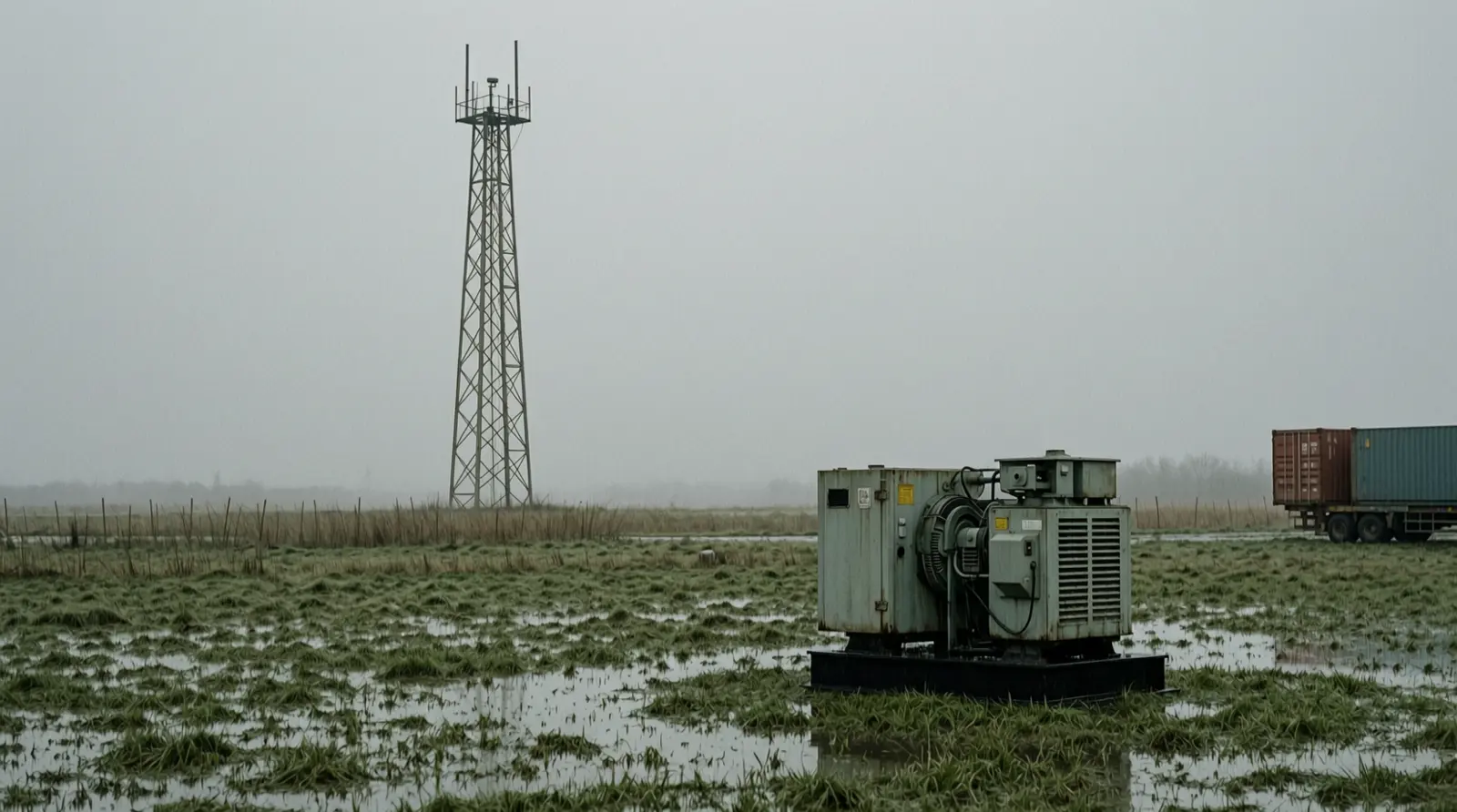
A Kvertus representative named Filimonov described AI’s role in electronic-warfare systems, and 24tv.ua reported that Ukraine will predict Russian drone attacks using AI. Coverage then frames these as one defense AI stack, but the evidence remains vendor commentary and a single news report. Macro indicators dated 1 September add no direct measure of Ukrainian defense AI.
A Kvertus representative named Filimonov described the role of AI in electronic-warfare systems, and 24tv.ua reported that Ukraine will predict Russian drone attacks using AI. Those are two separate statements. Together, they are being read as evidence of a national defense stack.
The distinction matters because defense technology capital pays for different things: a vendor can describe a product, a broadcaster can report a plan, and only operational records can show whether a model changes decisions under attack.
Two sources, one narrative
Kvertus is described as a manufacturer of electronic-warfare systems. Filimonov, identified as a Kvertus representative, described the role of AI in those systems. Separately, 24tv.ua reported that Ukraine will predict Russian drone attacks using AI. The surrounding coverage identifies Ukraine’s defense AI stack as extending from electronic warfare to drone-strike prediction.
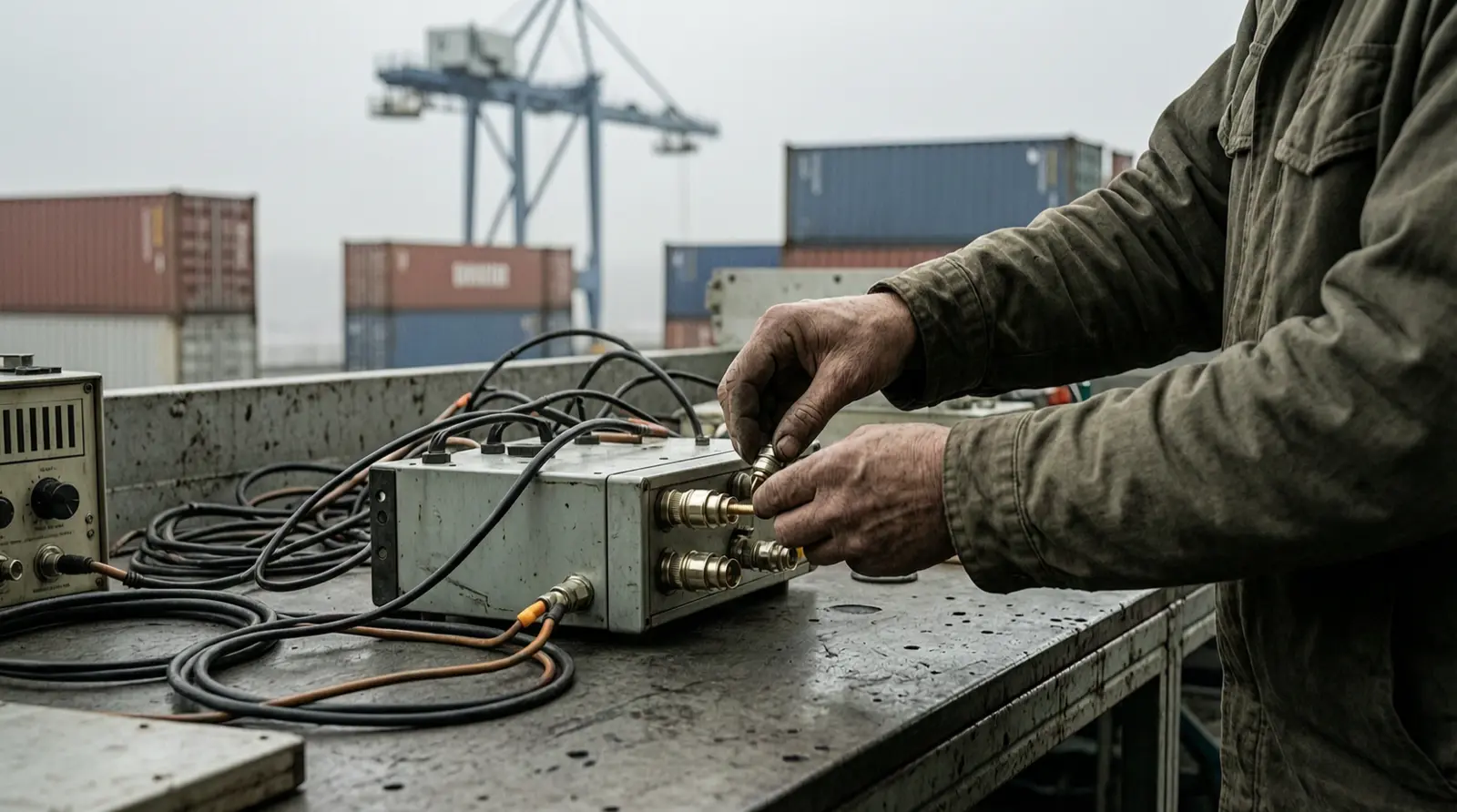
Those statements point to two different technical jobs. Electronic warfare concerns the electromagnetic contest around drones: sensing, jamming, or otherwise affecting the signals that let a drone fly or receive commands. Drone-strike prediction is a forecasting task: it would use prior attack observations to estimate where, when, or how future strikes may occur. One is an immediate contest over control links; the other is a statistical estimate of risk.
The gap is between a story about AI and evidence that an AI system is changing decisions on an ordinary Tuesday.
The first question is not whether AI appears in the description, but what the system is allowed to do. A jamming system can be tested against a drone in a controlled setting. A prediction system must be judged against future attacks it has not seen, and its value depends on whether warnings arrive early enough to change something.
A vendor statement and a television report can describe an ambition; they cannot show a deployed model. The available evidence does not say whether prediction software is in operational use, how often it is correct, or whether it changes interceptor allocation, warning times, or damage outcomes.
Macro numbers sit beside the story
Three economic instruments recorded values on 1 September. INFO_SECTOR_EMP was 2,739, ELEC_PRICE was 0.196, and SEMI_PPI was 28.801. SEMI_PPI rose from 28.472 on 1 August to 28.801 on 1 September, a change of 0.329, or about 1.2%. The other two are single-date readings without an earlier value, so they show levels rather than trends.
These figures are broad economic indicators. They do not identify a Ukrainian defense program, an AI procurement line, or a drone-interception result. Placing them next to defense reporting can make the story look quantified, but the numbers do not measure the capability being described.
INFO_SECTOR_EMP at 2,739 may describe an information-sector employment level, but it does not separate civilian software work from defense work. ELEC_PRICE at 0.196 may describe an electricity price, but it does not show the cost of running models, sensors, or command systems in combat conditions. SEMI_PPI’s rise is a small month-over-month movement in that series, not a signal of Ukrainian drone production or AI deployment.
What can be priced
For founders, investors, and policymakers, the usable split is between language and evidence. The language is expanding: from electronic warfare to drone-strike prediction. The evidence remains narrow: one named company representative and one report from 24tv.ua.
The gap is between a story about AI and evidence that an AI system is changing decisions on an ordinary Tuesday. The next test would be independent confirmation: unit-level use, measurable effects on warnings or interceptions, or budget and procurement records that tie money to systems. Until then, the stack is a reported outline, not a verified capability.
- 01Kvertus is described as a manufacturer of electronic-warfare systems.
- 02A Kvertus representative named Filimonov described AI’s role in electronic-warfare systems.
- 0324tv.ua reported that Ukraine will predict Russian drone attacks using AI.
- 04SEMI_PPI rose to 28.801 on 1 September from 28.472 on 1 August.
- 05INFO_SECTOR_EMP was 2,739 and ELEC_PRICE was 0.196 on 1 September.
Interpretation, not reporting. The facts above carry their tiers; this is one correspondent’s reading of them.
The useful way to read this is as two separate signals, not one stack. A Kvertus representative named Filimonov described AI in electronic-warfare systems, and 24tv.ua reported that Ukraine will predict Russian drone attacks using AI. Those are statements about direction and intention. They are not an operational result.
I would put the technical direction in one column and the deployment question in another. Electronic warfare and strike prediction are different jobs. One touches the electromagnetic fight around drones; the other tries to anticipate attacks before they arrive. The macro readings dated 1 September do not bridge that gap. INFO_SECTOR_EMP, ELEC_PRICE, and SEMI_PPI may sit in the same discussion, but they do not show a Ukrainian defense program, a model in use, or an interception outcome.
What would change my assessment is evidence of the loop: data going in, forecasts coming out, and decisions changing under attack. Until that appears, the strongest version of this story is a reported capability outline, not a verified national system.
— Ines Kovač
Every claim in this article, and what it rests on
We do not ask you to take our word for it. Each statement below carries its tier and its sources. Where sources disagree, you get both accounts and what would settle it.
The INFO_SECTOR_EMP instrument recorded a value of 2,739 for 2026-09-01.
The ELEC_PRICE instrument recorded a value of 0.196 for 2026-09-01.
The SEMI_PPI instrument recorded a value of 28.801 for 2026-09-01.
The SEMI_PPI instrument recorded a value of 28.472 for 2026-08-01.
Kvertus is identified as a manufacturer of electronic-warfare systems.
A Kvertus representative named Filimonov described the role of AI in electronic-warfare systems.
24tv.ua reported that Ukraine will predict Russian drone attacks using AI.
Reporting identifies Ukraine’s defense AI stack as extending from electronic warfare to drone-strike prediction.
The case against this story
Written by an adversarial reviewer, not the correspondent
The story's overall picture—that Ukraine possesses an integrated defense AI stack running from electronic warfare to drone-strike prediction—is built on a single company representative's comments and one Ukrainian TV news report. That is thin sourcing for a structural claim about a coherent national capability. Meanwhile, the economic-instrument values (INFO_SECTOR_EMP, ELEC_PRICE, SEMI_PPI) are general economic indicators with no demonstrated link to Ukraine's defense AI programs; placing them alongside the defense reporting creates an impression of quantitative backing that the underlying data does not actually provide. A reader cannot tell whether these instruments measure anything about Ukrainian defense AI, or whether they are simply generic macroeconomic data arranged to lend false rigor. The strongest case against the picture is that it conflates a vendor's marketing-adjacent commentary, a single news outlet's report, and unrelated economic statistics into a narrative of an integrated, data-supported defense AI ecosystem that no cited source explicitly describes.
Who benefits from this framing: Kvertus benefits directly from being identified as an AI-capable electronic-warfare manufacturer, gaining visibility and implied technological credibility. The pro-Ukraine defense narrative benefits from the impression of a sophisticated, integrated AI capability already fielded against Russian threats. AI defense contractors and advocates benefit from framing AI as already effectively deployed in combat, which supports policy arguments and investment flows toward AI-enabled warfare. Investors in defense-AI adjacent equities benefit if readers interpret the cited economic indicators (semiconductor PPI, electricity prices, information-sector employment) as evidence of measurable growth in sectors underpinning AI warfare, even though no causal link to Ukrainian defense AI is established.
Report an error in this article
Subscriptions open at launch
Future Systems Review will be a paid publication. Reading is free while we build the archive — leave an address and we will write to you once, when subscriptions open.